
The drug Ambien is intended to correct circadian rhythm disorders, eliminate insomnia and frequent night awakenings against the background of hormonal imbalance in the body. Refers to potent drugs that are buying in a pharmacy by prescription. The dosage of the Ambien and the regimen are determined by a specialist, but even in this case, it is very important to study in detail the instructions for using the Zolpidem.
| Medication: | Generic Ambien |
|---|---|
| Doses: | 10 mg |
| Per Pill: | $2.87 |
| ONLINE: | 100% |
| Payment Methods: | VISA, MasterCard, PayPal... |
| Synonyms: | Zolpidem |
| Visit Pages: | Find Ambien Online |
Ambien (Zolpidem) — Patient Information (Non-Promotional)
This page provides neutral, educational information about the medicine. It does not promote Ambien, and decisions about purchase 100% online must be made together with a licensed clinician who knows your history.
What is it and how does it work?
Zolpidem is a non-benzodiazepine hypnotic (a “Z-drug”) and a Schedule IV controlled substance. It enhances GABA‑A receptor activity to promote sleep onset. It is intended for short-term use for insomnia.
The international non-proprietary name is Ambien, the active substance of the same name is the basis for many analog drugs for the symptomatic treatment of sleep disorders. The drug belongs to the pharmacological group of imidazopyridines, selective omega1-benzodiazepine receptor agonists - a subgroup of hypnotic drugs, benzodiazepine derivatives.
Common medical uses
Ambien is used in the following areas of medicine:
- Short-term treatment of insomnia characterized by difficulty falling asleep
- Intermittent use when sleep initiation problems flare, as part of a broader insomnia plan
- in neurology to eliminate sleep disorders, especially with problems with falling asleep and difficulties with early rise
- in psychiatry to enhancethe effect of the use of a group of sedative, antipsychotic and hypnotic drugs.
Among the general indications for the appointment are the following:
- therapy for circadian rhythm disorders;
- disruption of the process of falling asleep and waking up;
- frequent night awakening;
- insomnia of a long course with the development of neurological symptoms.
Application restrictions can be divided into two groups:
Absolute
- Increased fatigue and lethargy, daytime sleepiness, disorientation, headache, dizziness, insomnia, anterograde amnesia, irritability and aggression, visual and auditory hallucinations, somnambulism, "withdrawal" or "rebound" insomnia, gait disturbance, ataxia.
- individual intolerance to the components that make up the drug;
- liver failure - chronic and acute;
- liver disease (cirrhosis, hepatitis B and C);
- respiratory failure;
- Interactions with alcohol, opioids, benzodiazepines, antihistamines, and other CNS depressants
- glucose/galactose malabsorption syndrome and lactase enzyme deficiency;
- pregnancy and lactation;
- age up to 18 years.
Relative
- severe course of myasthenia gravis;
- drug or alcohol addiction;
- depressive disorders.
Special Instructions for use
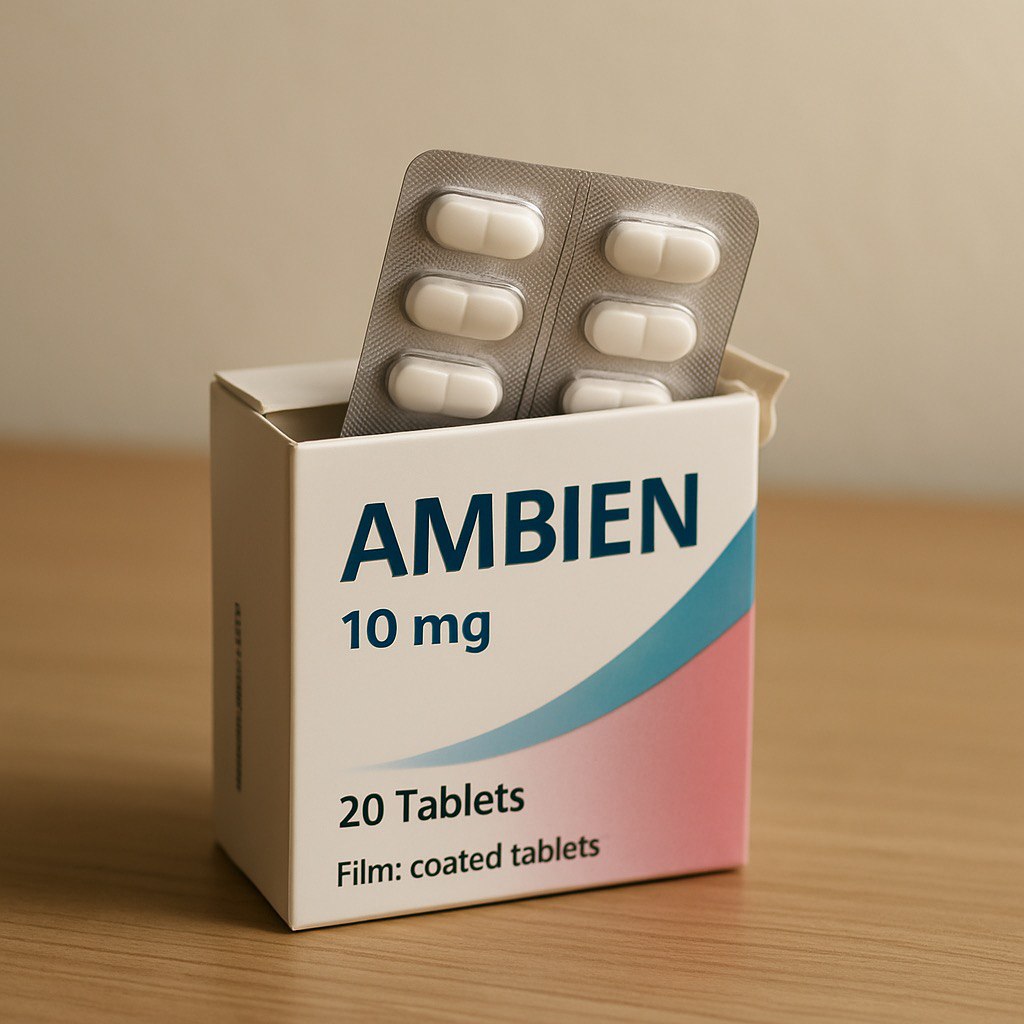 Ambien tablets are taken orally with a small amount of liquid, preferably just before bedtime. The dosage is 1 tablet 1 time per night, with a duration of up to 2-6 weeks of continuous therapy.
Over the age of 65 years and patients with impaired liver function, it is recommended to reduce the dosage to ½ tablet at night since absorption and metabolism of the drug may be impaired.
When determining transient insomnia, Ambien is prescribed for 3-5 days, with situational insomnia - for 14-18 days. The total daily dose of Zolpidem should not exceed 10 mg.
With prolonged use, addiction to the drug may occur, especially in patients with pre-existing addictions (psychological, alcohol, gambling). Also, long-term use can provoke somnambulism.
If after 7-14 days there are no positive dynamics in improving the quality of sleep, you should consult a doctor to replace the drug, additionally diagnose the etiological factors of insomnia and possible disorders of the central nervous system.
During the course of therapy, work should be avoided that requires concentration of attention and may be potentially dangerous to the health and life of the patient (long-term driving, flammable industries). The duration of sleep should be at least 7-8 hours; if the regimen is not observed, memory impairment with anterograde amnesia may be noted.
Drug interaction
It is important to consider the co-administration of other drugs. With simultaneous treatment of Ambien and products containing ketoconazole, the rate of excretion of the drug from the body increases, inhibition of brain activity is observed.
The following drug combinations are used with caution:
- Rifampicin accelerates metabolism and reduces the effectiveness of zolpidem tartrate;
- neuroleptics, narcotic painkillers, antidepressants, barbiturates and antiepileptic drugs enhance each other's effect;
- co-administration with buprenorphine increases the risk of respiratory depression.
Possible risks and side effects
Very rarely, adverse reactions are noted while taking the drug, but if the dosage is exceeded, intolerance to the components of the drug, certain side effects may occur:
- Drowsiness, dizziness, headache, and next-day impairment (including driving risk)
- Complex sleep behaviors (e.g., sleep-walking, sleep‑driving, preparing food) — stop and seek care if these occur
- Memory and concentration problems; risk increases with higher doses or other sedatives
- Dependence, tolerance, and rebound insomnia with prolonged or nightly use
- Worsening breathing problems in people with sleep apnea or chronic lung disease
- Interactions with alcohol, opioids, benzodiazepines, antihistamines, and other CNS depressants
Order only with a prescription and under a doctor's supervision
Zolpidem should be used only with a prescription and usually in short courses while non-drug treatments are being used.Take immediately before bedtime, ensuring you have at least 7-8 hours of sleep. Do not combine with alcohol.
Warning: risks of self-medication
- Masking untreated sleep apnea, depression, or anxiety disorders
- Accidents or injuries by next-day sedation or complex sleep disorders
- Increasing the doses to achieve an effect, leading to dependence