
Tramadol is a strong pain medication that is often used to treat moderate to severe pain. It is an m-opioid receptor agonist, which means that it binds to certain receptors in the brain to reduce the sensation of pain.
PRESCRIPTION REQUIRED:
A valid prescription is required for delivery of this product. Please note that we do not accept prescriptions sent by fax or email.
| Medication: | Generic Tramadol |
|---|---|
| Doses: | 100 mg, 50 mg |
| Per Pill: | $4.72 |
| ONLINE: | 100% |
| Payment Methods: | VISA, MasterCard, PayPal... |
| Synonyms: | Tapentadol, Ultram |
| Visit Pages: | Get Tramadol Online |
What is it and how does it work?
Tramadol is an opioid analgesic (painkiller) listed as a Schedule IV controlled substance in the United States. It weakly stimulates μ-opioid receptors and inhibits the reuptake of serotonin and norepinephrine, which together help dull the perception of pain.
It is synthetically produced. The key to achieving a long-lasting effect is its pronounced analgesic effect. The drug's effects begin on average within half an hour, when it reaches its maximum concentration in the blood. The drug can remain active for over six hours. Previously used as a painkiller for various complex conditions, addicts later adapted it for their own purposes.
Analogs and alternatives
- Other opioids (e.g., hydrocodone, oxycodone, codeine) — higher risk and generally avoided unless clearly needed
- Tapentadol — opioid with additional norepinephrine reuptake inhibition
Non-drug or different-class options (discuss with your clinician):
- Acetaminophen or NSAIDs (ibuprofen, naproxen) when appropriate
- Topical NSAIDs for localized musculoskeletal pain
- Duloxetine or certain anticonvulsants (e.g., gabapentin/pregabalin) for neuropathic pain under guidance
- Physical therapy, heat/ice, graded exercise, and behavioral pain strategies
Medical use of the drug
- Short-term treatment of moderate to moderately severe acute pain when non-opioid options are not enough
- Select cases of chronic pain under specialist supervision, after safer options have been tried
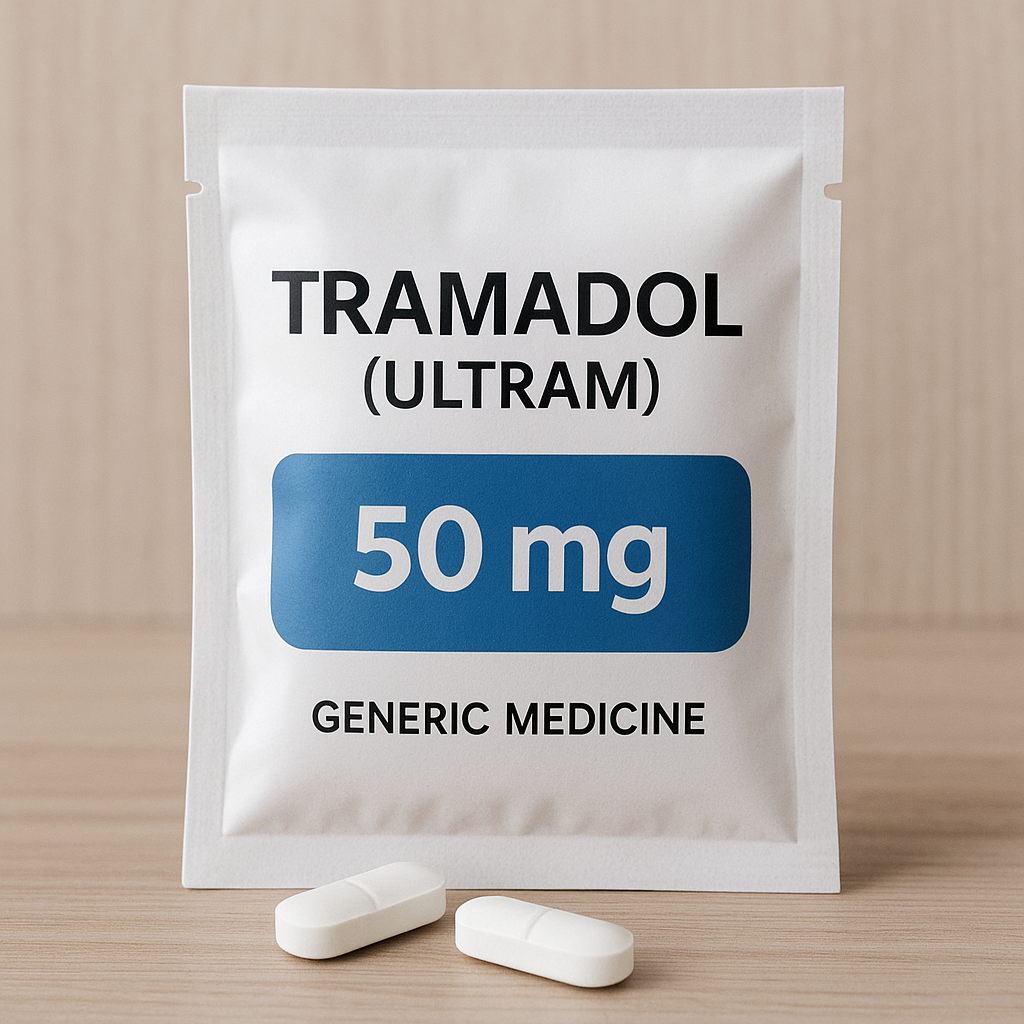
The remedy is intended for medical use only. This powerful analgesic is effective for certain conditions. If severe, acute pain occurs after taking tramadol, it can be reduced to moderate levels. The drug has a direct effect on the brain of the sick person, in which the pain sensation is blocked. The reaction after taking it comes quickly enough.
The remedy is available in a variety of forms, including tablets, ampoules, ointments, and dry forms. During major surgical interventions, this remedy is used to eliminate pain during the rehabilitation period.
Often the remedy is prescribed to people suffering from cancer. It makes it possible to make the pain sensations less pronounced. The drug can often be used during diagnostics, which involves unpleasant pain sensations. Several diagnostic techniques are accompanied by pain.
Benefits of Tramadol
One of the advantages of tramadol is its ability to quickly relieve pain. After taking the drug, its effects appear within approximately 30-60 minutes and can last up to 6 hours. This can be helpful for people who need rapid pain relief, such as those experiencing acute pain after surgery.
Here is another list of benefits of Tramadol:
- It is good for the pain of various origins, including chronic pain, neuropathic pain, and pain after surgery.
- The drug's action begins quickly and its effect also disappears quickly, which helps to quickly reduce pain and also reduce the risk of side effects.
- Unlike some other pain medications, Tramadol is not highly addictive, especially if taken as prescribed by your doctor.
- It can be obtained as tablets, capsules, injectable solutions, and other forms, making it easy to use in a variety of settings.
- It is available in most pharmacies and is not too expensive, so it is a popular choice for many people in need of a pain reliever.
However, like any other medication, Tramadol has some side effects. Some of these can be quite serious, including nausea, dizziness, constipation, loss of appetite, insomnia, and abdominal pain. In rare cases, Tramadol can cause seizures or even respiratory depression, so be sure to follow your doctor's instructions and not exceed the recommended dose.
Important risks and side effects
The main side effect of Tramadol is that it can make feel addictive. This is because Tramadol affects certain receptors in the brain that control the ability of feeling pleasure. If you take Tramadol too long time or in high doses, you can become physically dependent on it.
Dependence on Tramadol
The drug is currently prescribed by doctors. It can only be consumed after a doctor's prescription. At the same time, it is extremely important to take the utmost care so that no problems arise. All the prescriptions of the doctor must be fully respected in a mandatory manner. This analgesic drug is highly addictive, just like many other such drugs, for example, heroin.
Tramadol addiction develops rapidly. Typically, just a few doses are enough to develop dependence. The user gradually loses control, so the dose increases with each use. Stopping the drug causes severe and painful withdrawal.
- Drowsiness, dizziness, nausea, vomiting, constipation, and sweating
- Impaired coordination and reaction time; do not drive or operate machinery until you know how it affects you
- Breathing suppression (respiratory depression), especially when combined with alcohol, benzodiazepines, or other sedatives
- Risk of misuse, dependence, and withdrawal; use the lowest effective dose for the shortest time required
- Seizures (risk increases with high doses or with certain antidepressants or antipsychotics)
- Serotonin syndrome when combined with SSRIs, SNRIs, MAOIs, triptans, or linezolid (agitation, fever, tremor—seek help immediately)
- Potential risks in pregnancy and breastfeeding—requires individualized medical advice
Prescription-only and clinician oversight.
Use tramadol only if a clinician has prescribed it for you and is monitoring your response. Never share your prescription. Avoid alcohol and other sedatives unless your clinician explicitly approves. Store securely away from children and pets.
Overall, Tramadol is an effective and popular medication that helps relieve pain and improve the quality of life in many patients suffering from various types of pain syndromes. Its benefits include its relatively low risk of addiction, its ability to be used as an alternative to narcotic drugs, and its ability to be used for long-term pain management.
Warning: risks of self-medication
Emergency: If you or someone else has trouble breathing, a severe allergic reaction, chest pain, extreme confusion, or thoughts of self-harm, call emergency services immediately.
This page provides neutral, educational information about the medicine. It does not promote use. Decisions about therapy must be made together with a licensed clinician who knows your history.