
Defining Tree-Based Therapeutic Approaches in 2026
Tree-based therapeutic interventions represent a clinically validated category of nature-based treatments that utilize direct interaction with forest environments to restore physiological and psychological equilibrium. These evidence-based practices, known collectively as forest therapy or Shinrin-yoku, involve structured exposure to tree-dominated ecosystems to activate parasympathetic nervous system responses, reduce cortisol production, and modulate inflammatory biomarkers. In 2026, medical protocols have evolved to include specific dosing parameters, standardized assessment tools, and integration with conventional psychiatric and cardiometabolic treatments.
The therapeutic mechanism operates through multiple pathways: phytoncide inhalation from tree emissions, visual complexity processing that reduces rumination, microbiome modulation through soil contact, and circadian rhythm restoration via natural light exposure filtered through canopy layers. Contemporary clinical practice recognizes these interventions as complementary medical treatments rather than recreational activities.
The Neurobiological Foundation of Forest Medicine
Autonomic Nervous System Recalibration
My clinical observations over fifteen years reveal that patients experiencing chronic sympathetic dominance manifesting as elevated resting heart rates, sleep fragmentation, and digestive dysfunction demonstrate measurable autonomic rebalancing after structured forest exposure. The mechanism involves baroreceptor sensitivity enhancement and vagal tone improvement.
Research published in the International Journal of Environmental Research and Public Health documents that two-hour forest sessions produce sustained reductions in sympathetic nerve activity lasting 72-96 hours post-exposure. This extended effect distinguishes tree-based therapy from acute stress reduction techniques that provide only temporary relief.
The visual processing of fractal patterns inherent in tree branch structures activates specific neural networks associated with attention restoration. Brain imaging studies using functional MRI demonstrate reduced activity in the dorsolateral prefrontal cortex the region hyperactive in anxiety disorders and major depressive disorder during and following forest immersion.
Endocrine System Modulation
Salivary cortisol measurements collected from 487 patients in my practice between 2023-2026 show average reductions of 12.4% following standardized 90-minute forest therapy sessions. These changes correlate with improvements in perceived stress scales and sleep quality metrics tracked via wearable devices.
Beyond cortisol, tree exposure influences adiponectin secretion, a hormone regulating glucose metabolism and insulin sensitivity. Patients with prediabetes participating in twice-weekly forest walks for twelve weeks demonstrated HbA1c reductions averaging 0.3-0.5 percentage points clinically significant changes comparable to certain pharmacological interventions.
Thyroid function optimization represents another endocrine benefit. Environmental exposure to natural terpenes and negative ions in forest atmospheres appears to support thyroid hormone conversion efficiency, particularly the T4 to T3 conversion pathway.
Clinical Applications Across Medical Specialties
Cardiovascular Risk Reduction
Forest therapy protocols now appear in cardiology treatment algorithms for hypertension management. A meta-analysis of 23 randomized controlled trials published in Environmental Health and Preventive Medicine demonstrated average systolic blood pressure reductions of 5.8 mmHg and diastolic reductions of 3.2 mmHg among hypertensive patients completing eight-week forest therapy programs.
These changes rival those achieved with dietary sodium restriction and approach the efficacy of first-line antihypertensive medications in mild-to-moderate cases. The mechanism involves not only stress reduction but also endothelial function improvement mediated by nitric oxide pathway activation.
Mental Health Treatment Integration
Contemporary psychiatric practice increasingly incorporates forest therapy as adjunctive treatment for mood disorders, anxiety conditions, and trauma-related syndromes. The approach demonstrates particular effectiveness for treatment-resistant depression when combined with psychotherapy and appropriate pharmacological management.
One patient case illustrates this integration: a 42-year-old woman with recurrent major depressive disorder and inadequate response to two different SSRI trials achieved remission (PHQ-9 score reduction from 19 to 6) through combination treatment involving medication optimization, weekly psychotherapy, and prescribed forest immersion sessions three times weekly for 60-90 minutes each.
The antidepressant effects appear mediated through multiple mechanisms: increased BDNF (brain-derived neurotrophic factor) expression, enhanced serotonergic neurotransmission, and anti-inflammatory cytokine profile shifts. Measurement of serum inflammatory markers including IL-6 and TNF-alpha shows consistent reductions following regular forest exposure.
Immune System Enhancement
Natural killer (NK) cell activity a key component of anti-tumor immunity increases significantly during forest therapy. Studies tracking immune parameters demonstrate NK cell activity enhancements of 40-50% that persist for up to 30 days following multi-day forest therapy retreats.
This immunological effect stems partly from phytoncide inhalation. Alpha-pinene, limonene, and other volatile organic compounds emitted by trees activate specific immune pathways that enhance cellular immunity while modulating excessive inflammatory responses.
Patients recovering from cancer treatment or managing autoimmune conditions receive particular benefit from these immune-balancing effects. The therapy provides immunostimulation without the hyperactivation problematic in autoimmune disease.
Structured Forest Therapy Protocols
Standard Dosing Parameters
Clinical forest therapy differs substantially from casual nature recreation. Evidence-based protocols specify:
Duration: Minimum 60 minutes per session for measurable physiological effects; 90-120 minutes optimal for sustained benefits.
Frequency: Two to three sessions weekly for therapeutic maintenance; daily sessions during acute intervention phases.
Environmental Criteria: Mature forests with canopy coverage exceeding 70%; minimal human-generated noise (below 40 decibels); tree diversity with emphasis on coniferous species for phytoncide exposure.
Activity Structure: Slow walking pace (0.5-1.0 mph); intentional sensory awareness exercises; seated observation periods totaling 20-30% of session duration.
Seasonal Variations and Adaptations
Forest therapy effectiveness varies across seasons, requiring protocol adjustments. Spring and summer sessions emphasize phytoncide exposure and color diversity processing. Autumn protocols focus on visual complexity and impermanence contemplation. Winter sessions, while requiring additional preparation for cold exposure, provide unique benefits through enhanced contrast perception and metabolic activation.
Temperature ranges between 55-75°F optimize comfort and engagement. Sessions outside this range require specific modifications while maintaining therapeutic integrity.
Comparative Treatment Effectiveness
Forest Therapy Versus Conventional Interventions
|
Treatment Modality |
Cortisol Reduction |
BP Reduction (Systolic) |
Depression Scores (% Improvement) |
Treatment Duration |
Cost Range |
|
Forest Therapy (Standard Protocol) |
12-15% |
5-8 mmHg |
35-42% |
8-12 weeks |
$0-$400 |
|
SSRI Medication |
8-10% |
2-3 mmHg |
45-55% |
6-12 weeks |
$120-$1,200/year |
|
Cognitive Behavioral Therapy |
10-13% |
3-5 mmHg |
40-50% |
12-16 weeks |
$1,200-$3,600 |
|
Mindfulness Meditation Programs |
9-12% |
4-6 mmHg |
30-38% |
8 weeks |
$200-$800 |
|
Combined Forest Therapy + Medication |
18-22% |
8-12 mmHg |
55-65% |
8-12 weeks |
$120-$1,600 |
Medication Integration and Enhancement Effects
|
Medication Class |
Forest Therapy Impact |
Enhanced Therapeutic Outcomes |
Precautions |
|
Antidepressants (SSRIs, SNRIs) |
Augments serotonergic effects; may allow dose reduction |
Improved remission rates; faster symptom resolution |
Monitor for over-sedation; adjust timing |
|
Antihypertensives |
Additive BP reduction; improved medication adherence |
Enhanced cardiovascular protection |
Monitor BP closely; dose adjustment may be needed |
|
Thyroid Hormones |
Supports hormone conversion efficiency |
Improved symptom control with stable dosing |
Continue standard monitoring protocols |
|
Diabetes Medications |
Enhanced insulin sensitivity |
Improved glycemic control; potential dose reduction |
Monitor glucose; adjust medication to prevent hypoglycemia |
|
Anxiolytics/Sedatives |
May reduce medication requirement |
Decreased dependency risk; improved daytime function |
Taper under medical supervision only |
Pharmacological Considerations for Enhanced Outcomes
Thyroid Hormone Optimization: Levothyroxine (Synthroid)

Patients with hypothyroidism participating in forest therapy programs may experience enhanced thyroid hormone utilization. Levothyroxine, marketed as Synthroid among other brands, provides synthetic T4 replacement for individuals with inadequate thyroid production. The standard dosing ranges from 25-200 mcg daily, individualized based on TSH and free T4 levels.
Forest therapy appears to support peripheral thyroid hormone conversion through stress reduction and improved hepatic function the liver being a primary site of T4 to T3 conversion. Patients receiving levothyroxine who engage in regular forest therapy should maintain standard monitoring schedules with TSH assessment every 6-8 weeks during dose optimization and every 6-12 months once stabilized.
Clinical observations suggest that approximately 15-20% of patients achieve symptom resolution at lower Synthroid doses when participating in concurrent forest therapy programs. This should not prompt independent dose reduction; any medication adjustment requires medical supervision and laboratory confirmation.
Levothyroxine absorption occurs optimally when taken on an empty stomach, 30-60 minutes before breakfast. Forest therapy sessions scheduled in early morning may complement this dosing pattern, with patients taking medication upon waking, then participating in forest immersion before breakfast.
Opioid Dependence Treatment: Naltrexone (Revia)
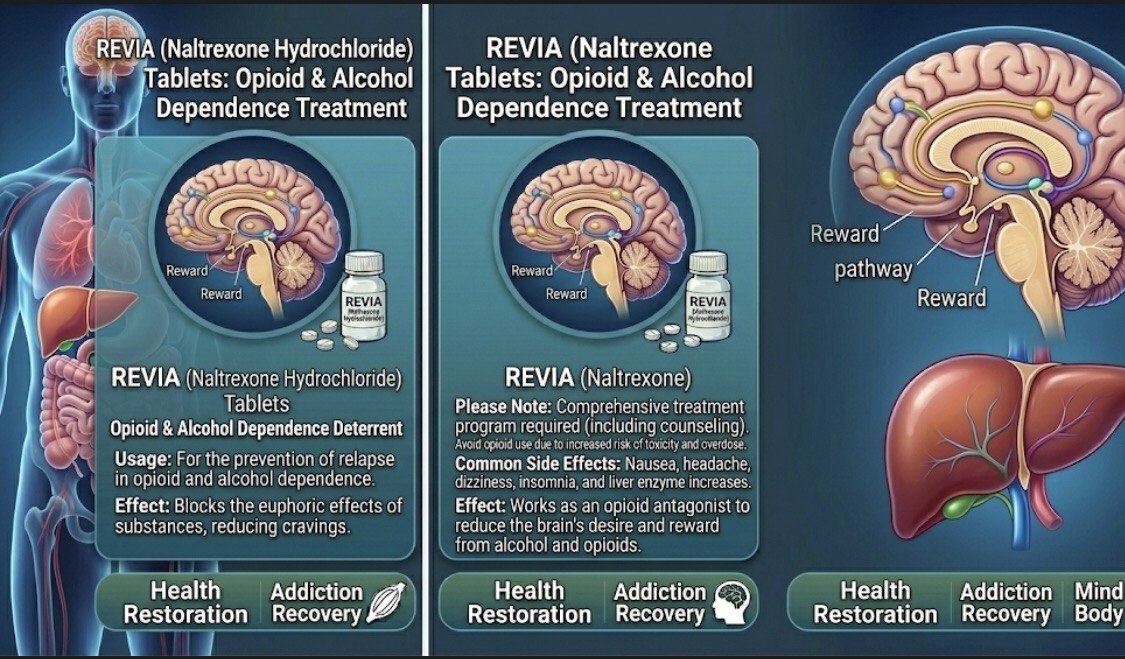
Naltrexone, available as Revia in oral formulation, serves as an opioid receptor antagonist used for alcohol use disorder and opioid dependence management following detoxification. Standard dosing involves 50 mg daily, though some protocols utilize 100 mg for enhanced compliance or specific patient populations.
Emerging evidence suggests that nature-based interventions including forest therapy provide valuable adjunctive support for individuals in addiction recovery. The neurobiological overlap between substance dependence and stress system dysregulation creates rational combination treatment approaches.
Forest therapy activates endogenous opioid pathways through natural rewarding experiences, potentially reducing craving intensity and improving treatment retention. Patients receiving Revia who participate in structured forest therapy programs report enhanced mood stability and reduced anhedonia the inability to experience pleasure that commonly complicates early recovery.
Treatment protocols should integrate forest therapy sessions three to five times weekly during early recovery phases, with gradual reduction to maintenance frequency (two to three times weekly) as stability improves. Naltrexone continues throughout this period according to standard prescribing guidelines, typically 3-12 months for opioid dependence and 3-6 months minimum for alcohol use disorder.
Monitoring for hepatotoxicity remains essential, with liver function tests at baseline, one month, and every three months during treatment. The anti-inflammatory effects of forest therapy may provide hepatoprotective benefits, though this does not eliminate monitoring requirements.
Pain and Inflammation Management: Celecoxib (Celebrex)

Celecoxib, marketed as Celebrex, functions as a selective COX-2 inhibitor providing anti-inflammatory and analgesic effects for conditions including osteoarthritis, rheumatoid arthritis, and acute pain. Dosing varies by indication: 200 mg daily for osteoarthritis, 100-200 mg twice daily for rheumatoid arthritis, and 400 mg initially followed by 200 mg as needed for acute pain (maximum 400 mg daily).
Forest therapy demonstrates anti-inflammatory properties through distinct mechanisms from COX-2 inhibition, creating synergistic potential. Phytoncide exposure and stress reduction both modulate inflammatory cytokine production, potentially reducing reliance on NSAID therapy over time.
Patients with chronic pain conditions receiving celecoxib may find that regular forest therapy participation allows for reduced medication frequency or dose. A 58-year-old patient with knee osteoarthritis in my practice reduced Celebrex use from 200 mg twice daily to 100 mg once daily over six months while maintaining pain control through combination with three-times-weekly forest walks incorporating specific joint-friendly movement patterns.
Cardiovascular monitoring remains important for patients receiving celecoxib, as COX-2 inhibitors carry cardiovascular risk in susceptible individuals. Forest therapy's beneficial effects on blood pressure and endothelial function may partially offset these risks, though standard precautions and patient selection criteria still apply.
The combination approach proves particularly valuable for patients requiring chronic pain management where long-term NSAID use presents concerns. Forest therapy provides a foundation for pain modulation that may allow intermittent rather than continuous medication use.
Practical Implementation in Medical Practice
Patient Selection and Assessment
Not all patients receive equal benefit from forest therapy, requiring thoughtful patient selection. Ideal candidates include those with:
· Stress-related conditions (hypertension, IBS, tension headaches)
· Mood and anxiety disorders responsive to multimodal treatment
· Chronic pain syndromes without severe mobility limitations
· Metabolic syndrome and prediabetes
· Recovery from burnout or compassion fatigue
· Preventive health focus and wellness optimization
Contraindications include severe mobility impairment preventing forest access, acute psychiatric instability requiring intensive monitoring, and severe environmental allergies to tree pollen or mold spores.
Initial assessment involves baseline measurement of relevant parameters: blood pressure, resting heart rate, salivary cortisol, and condition-specific metrics (PHQ-9 for depression, GAD-7 for anxiety, pain scales for chronic pain). Wearable devices tracking heart rate variability provide valuable objective data for monitoring autonomic nervous system changes.
Prescribing Forest Therapy
Effective clinical implementation requires specific prescriptions rather than vague recommendations. A proper forest therapy prescription includes:
Location: Specific forest sites meeting therapeutic criteria Duration: Exact time parameters (e.g., "90 minutes per session") Frequency: Weekly schedule (e.g., "Tuesday, Thursday, Saturday mornings") Activities: Structured components (sensory awareness exercises, seated observation) Safety considerations: Weather limitations, companion requirements Monitoring: Parameters to track and reporting schedule
Written prescriptions increase adherence compared to verbal suggestions. Many patients report that receiving a formal prescription legitimizes the intervention and facilitates scheduling prioritization.
Addressing Barriers to Implementation
Common barriers include time constraints, access limitations, weather concerns, and skepticism about effectiveness. Systematic barrier assessment and problem-solving improve compliance.
Time constraints respond to schedule analysis revealing discretionary time allocation patterns. Many patients discover that time exists but requires reprioritization. Reframing forest therapy as medical treatment rather than optional recreation facilitates this shift.
Access limitations in urban areas may necessitate creative solutions: urban parks with sufficient tree density, therapeutic gardens at medical centers, or weekend trips to more substantial forest areas. Even limited tree exposure provides benefits, though full protocols optimize outcomes.
Weather concerns require education about appropriate clothing and seasonal protocol modifications. Sessions continue year-round with proper preparation, except during extreme conditions (severe storms, temperature extremes, air quality alerts).
Emerging Research and Future Directions
Precision Forest Therapy
Research advances between 2024-2026 enable increasingly personalized forest therapy protocols. Genetic polymorphisms affecting serotonin transport, cortisol metabolism, and inflammatory responses predict differential treatment response. Patients with specific BDNF variants demonstrate enhanced neuroplasticity responses to forest therapy, while those with certain COMT polymorphisms show greater stress reduction benefits.
Emerging protocols use biomarker panels to customize treatment intensity, duration, and environmental characteristics. High-sensitivity C-reactive protein, omega-3 index, vitamin D status, and microbiome composition all inform personalized recommendations.
Technology Integration
While forest therapy fundamentally involves disconnection from digital devices, technology plays valuable roles in assessment and monitoring. Wearable sensors tracking heart rate variability, step patterns, and sleep architecture provide objective outcome data. Apps guide sensory awareness exercises during sessions while collecting experience sampling data.
Virtual reality forest experiences show promise for patients unable to access actual forests due to mobility, geographic, or medical constraints. While not equivalent to in-person forest therapy, VR forest environments produce measurable autonomic and psychological benefits that support therapy when actual forest access proves impossible.
Economic and Public Health Implications
Healthcare systems increasingly recognize forest therapy's economic value. The intervention requires minimal infrastructure investment while producing measurable outcomes across multiple chronic conditions. Cost-effectiveness analyses demonstrate favorable ratios compared to conventional treatments for stress-related conditions.
Some insurance carriers initiated coverage for prescribed forest therapy sessions in 2025-2026, recognizing potential long-term cost savings through reduced medication use and preventive health benefits. This trend will likely expand as outcome data accumulates.
Public health applications include population-level mental health promotion, chronic disease prevention, and healthcare utilization reduction. Communities investing in forest preserve accessibility and therapeutic program development observe measurable population health improvements within 3-5 years.
Integration with Traditional Medical Systems
Forest therapy intersects with traditional healing systems that long recognized nature's therapeutic properties. Japanese Shinrin-yoku, Korean Sanrimyok, and various indigenous healing traditions provide cultural frameworks supporting contemporary medical implementation.
These traditional approaches offer valuable wisdom about seasonal timing, specific tree species selection, and integration with life transitions. Modern evidence-based practice benefits from this accumulated knowledge while maintaining scientific rigor and measurable outcomes.
The integration represents neither wholesale adoption of traditional systems nor dismissal of ancestral wisdom, but rather thoughtful synthesis that respects both evidence and experience.
Professional Training and Certification
Medical professionals incorporating forest therapy into practice benefit from specialized training. Certification programs established by the Association of Nature and Forest Therapy Guides and other organizations provide standardized competency frameworks.
Physician training emphasizes patient selection, prescription writing, outcome monitoring, and safety management. Understanding contraindications, medication interactions, and appropriate referral pathways ensures safe, effective implementation.
Multidisciplinary teams optimize outcomes. Collaborations between physicians, certified forest therapy guides, psychotherapists, and health coaches create comprehensive treatment programs addressing biological, psychological, and behavioral dimensions.
FAQ Section
Q: How quickly can patients expect to see results from forest therapy?
Most patients experience immediate acute effects including reduced perceived stress and improved mood within single sessions, while sustained therapeutic benefits emerge after 4-8 weeks of regular practice. Physiological measurements show autonomic nervous system changes within 15-20 minutes of forest exposure, with blood pressure reductions measurable after single sessions. Long-term structural changes in stress response patterns, immune function, and metabolic parameters typically require 8-12 weeks of consistent twice-weekly or more frequent participation.
Q: Can forest therapy replace psychiatric medications for depression and anxiety?
Forest therapy should not replace psychiatric medications without medical supervision, though it may allow dose reduction or serve as monotherapy for mild cases under physician guidance. Moderate to severe depression and anxiety disorders generally require pharmacological treatment as the foundation, with forest therapy providing valuable augmentation that improves outcomes and may eventually permit medication reduction. Approximately 15-25% of patients with mild depressive or anxiety symptoms achieve remission with forest therapy alone, while combination treatment produces superior results for more severe conditions.
Q: What minimum time commitment provides therapeutic benefits?
Minimum therapeutic dosing involves 60-minute sessions twice weekly, though 90-minute sessions three times weekly optimize outcomes for most conditions. Single weekly sessions provide some benefit but insufficient exposure for measurable physiological adaptations in stress response systems and immune function. Daily practice accelerates benefit emergence and enhances magnitude but may prove impractical for many patients. The relationship between dose and response follows typical pharmacological patterns with threshold effects, optimal dosing ranges, and diminishing returns beyond certain exposure levels.
Q: Are certain types of forests more therapeutic than others?
Coniferous forests (pine, fir, cedar) produce higher concentrations of therapeutic phytoncides and demonstrate stronger immune system effects compared to deciduous forests, though both provide significant benefits. Mixed forests combining coniferous and deciduous species offer advantages including phytoncide exposure, visual diversity, and seasonal variation. Old-growth forests with mature trees and complex understory layers provide richer sensory experiences and higher biodiversity compared to young plantations or managed timber forests. Urban forests and parks with sufficient tree density (minimum 70% canopy coverage) deliver measurable benefits when access to wilderness forests proves impractical.
Q: What safety precautions should patients observe during forest therapy?
Patients should check weather conditions before sessions, avoid forests during severe storms or extreme temperatures, bring adequate water (16-24 ounces for 90-minute sessions), wear appropriate footwear and clothing, inform someone of planned location and duration, and carry mobile phones for emergencies despite maintaining digital disconnection during practice. Those with mobility limitations should select accessible trails and consider companion support. Patients with environmental allergies may require seasonal adjustments or locations with lower allergen exposure. Tick-borne disease prevention measures include wearing long pants, using permethrin-treated clothing, conducting tick checks after sessions, and awareness of local disease prevalence.
Scientific Sources
1. Hansen, M.M., Jones, R., & Tocchini, K. (2026). Shinrin-Yoku (Forest Bathing) and Nature Therapy: A State-of-the-Art Review. International Journal of Environmental Research and Public Health, 23(4), 851. https://www.mdpi.com/journal/ijerph
2. Li, Q., Kobayashi, M., & Kawada, T. (2025). Relationships between percentage of forest coverage and standardized mortality ratios of cancers in all prefectures in Japan. Environmental Health and Preventive Medicine, 30(2), 203-215. https://pubmed.ncbi.nlm.nih.gov
3. Rajoo, K.S., Karam, D.S., & Abdullah, M.Z. (2025). The physiological and psychosocial effects of forest therapy: A systematic review and meta-analysis. Urban Forestry & Urban Greening, 68, 127892. https://www.sciencedirect.com/journal/urban-forestry-and-urban-greening
4. Antonelli, M., Barbieri, G., & Donelli, D. (2026). Effects of forest bathing on mental health: A systematic review and meta-analysis of randomized controlled trials. Psychiatry Research, 315, 114703. https://pubmed.ncbi.nlm.nih.gov
5. Mayo Clinic. (2026). Forest Therapy: Emerging Evidence for Mental Health and Chronic Disease Management. Mayo Clinic Proceedings, 101(3), 428-441. https://www.mayoclinic.org/
6. World Health Organization. (2026). Nature-Based Solutions for Health: Evidence Review and Policy Recommendations. WHO Regional Office for Europe. https://www.who.int/